
“The end of education is not to make people carpenters, but to make carpenters men.”
John Ruskin
Liberal Education for Working Lives
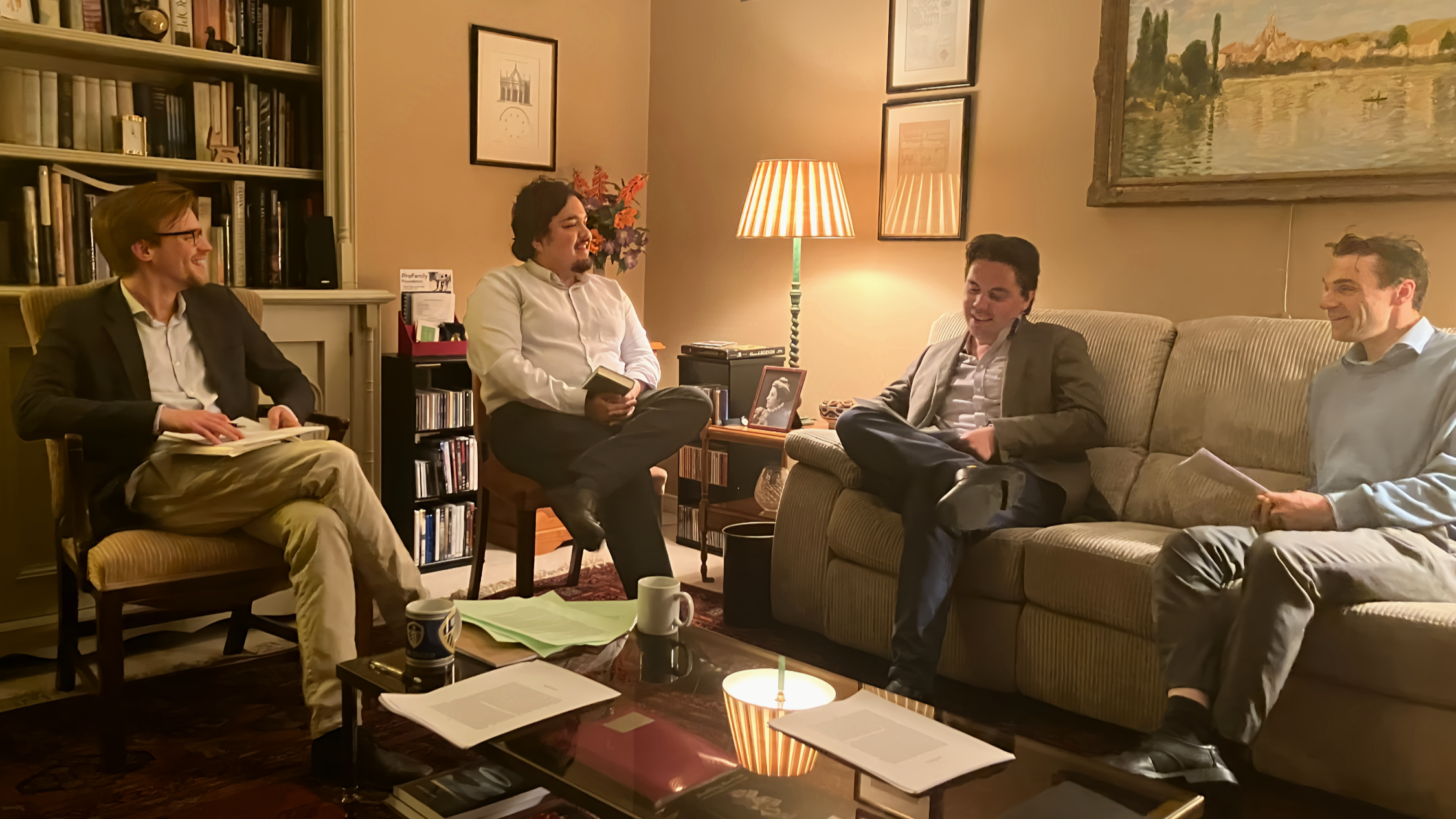
The Ruskin Centre offers adults a serious, discussion-based humanities education, designed for those living full professional and working lives.
Our work is grounded in the great books seminar: small groups reading primary texts together with care, patience, and intellectual honesty. No prior formal education in the humanities is required—only a willingness to read attentively and to think in the company of others.
Courses
We're very excited to be launching our pilot course this September on Plato's Republic! Participants will read through the whole of the Republic in six fortnightly seminars, guided by our Director of Studies, Alexander Norris. For more information, and to sign up, click the link below. For updates about future courses, you can join our mailing list here.
What we offer
‘Great books’ seminars
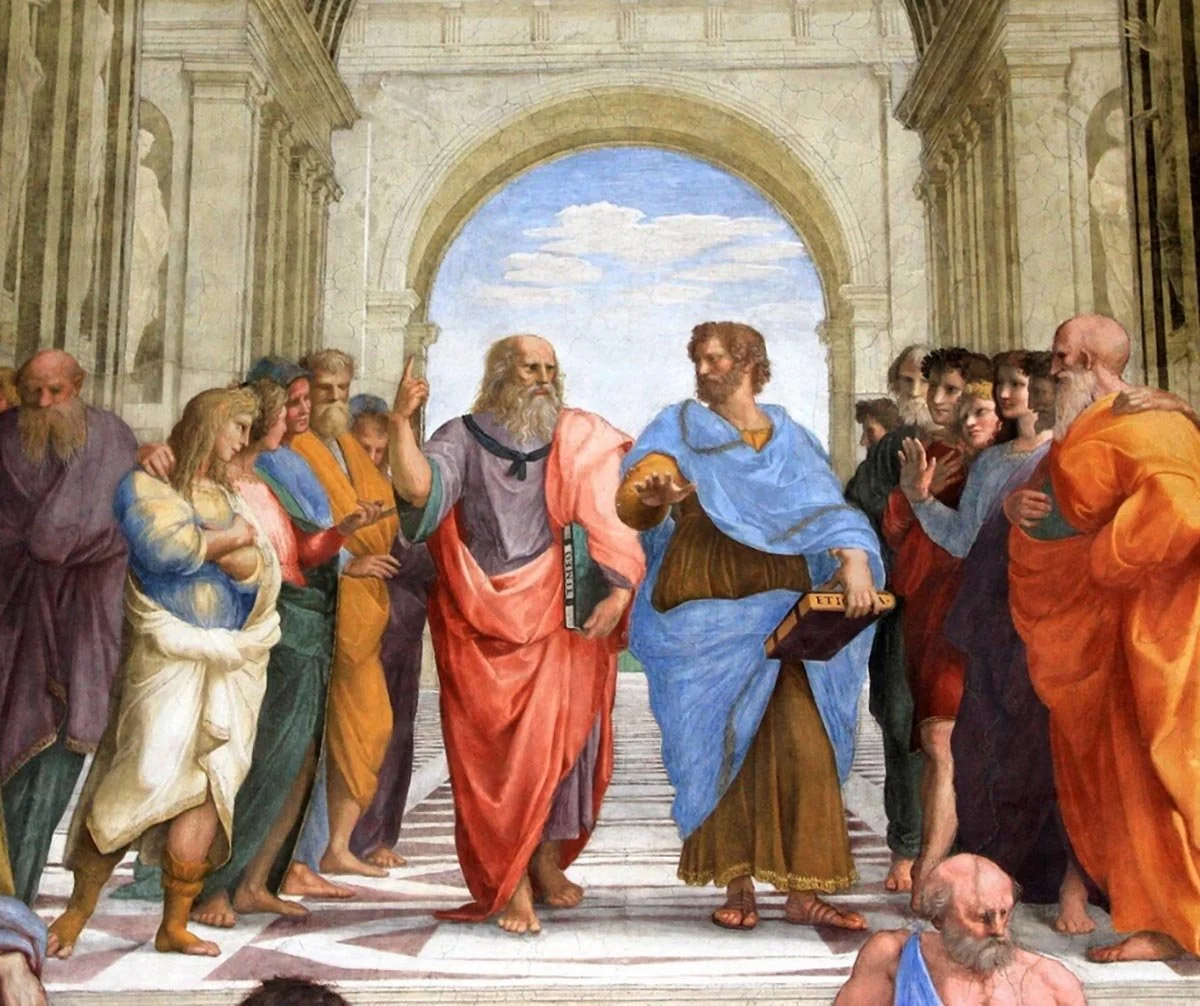
Our teaching is centred on the close, shared reading of primary texts. Seminars are organised around works that have shaped the intellectual and moral traditions of the West, approached not as historical artefacts but as living interlocutors.
Small, serious discussion
Learning at the Centre takes place in small groups, where careful preparation and sustained attention are expected of all participants. The seminar is a space for disciplined conversation, guided by questions rather than conclusions.
Formed for working lives
Our programmes are structured to fit alongside professional and family commitments, without sacrificing intellectual depth. We believe that liberal education belongs within ordinary adult life, not apart from it.
Why we exist
Liberal education seeks knowledge for its own sake, and an understanding of the unity of the disciplines in the pursuit of truth. At its best, it forms habits of attention, judgement, and intellectual honesty that deepen both our private lives and our shared civic life.
In nineteenth-century Britain, figures such as John Ruskin, John Henry Newman, and William Morris defended liberal education not as an ornament of leisure, but as a practical necessity for a healthy culture. Ruskin in particular argued publicly for widening access to intellectual formation, insisting that rigour and cultural depth were essential to meaningful work and responsible citizenship.
Today, declining literacy and cultural confidence, combined with a widespread search for meaning and purpose, call for a renewed seriousness about education. A return to the foundational texts that have shaped the intellectual and moral traditions of the West is a necessary first step. For this reason, the Ruskin Centre is committed to making the study of the great books accessible within the ordinary conditions of working adult life.
The Centre in its Founding Phase
The Ruskin Centre is presently in its founding phase. Over the coming months, we will announce our first ‘great books’ courses, developed in collaboration with scholars and educators who share our commitment to serious, discussion-based learning.
Our initial offerings will reflect the strengths of the Centre’s founding faculty. Further courses will be introduced as teaching capacity and pedagogical formation allow.
Alongside this work, the Centre is developing both its membership structure and means of faculty formation, through which future seminar leaders will be appointed from within the intellectual life of the Centre.
To keep up to date with the activities of the Centre, join our mailing list below:
Contact Us
For all inquiries:
Email
info@ruskincentre.co.uk