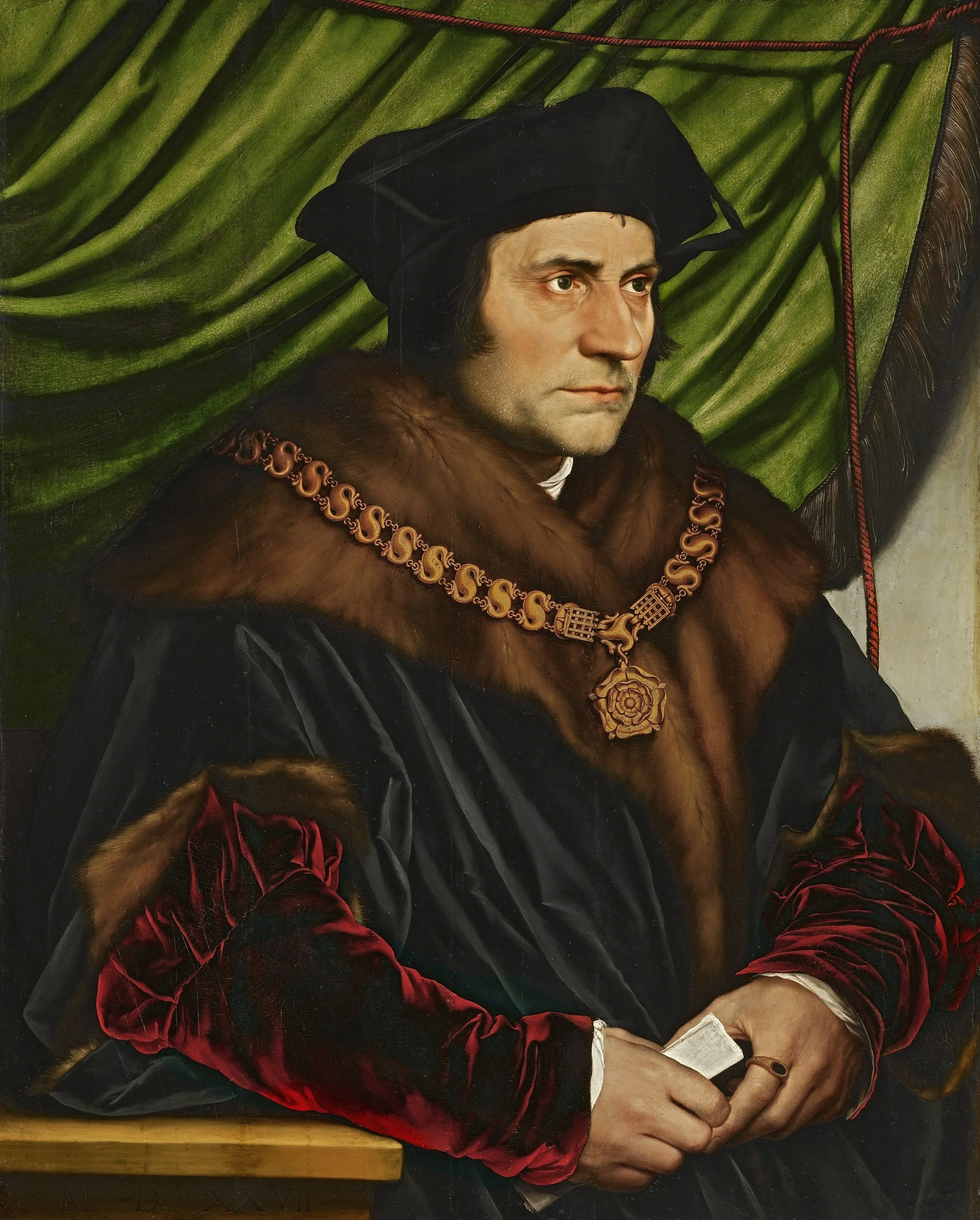
At the heart of the problem of building a good society is the question concerning the nature of justice. This course follows three seminal thinkers, Cicero, Augustine, and Thomas More, as they grapple with the moral, political, and economic decline of the societies in which they live. Cicero investigates the conditions for a stable and successful commonwealth. Augustine defends a Christian concept of justice that places the dignity of the human person at the fore. More gives the problem of human dignity ironical treatment, raising questions of state intervention, the provision of social goods, and the abolition of private property reminiscent of debates in our own time.
Beyond the concepts themselves, this course investigates the careful composition of each text, their strategic use of myth, historical sources and dramatic irony, and how this enables each author to pose deeper philosophical problems, including the very possibility of a just society.
An 8-part course studying some of the foundational texts on justice.
Application deadline: 15th October 2026
Professor: Jack Thomson
Duration: 18th October 2026 — 1st May 2027
When: 3rd Friday of every month, 5.30pm-6.30pm
Location: Oriental Club, Stratford House, 11 Stratford Place, London, W1C 1ES
No. of participants: Max. 12
Cost: £298

Still have questions? Take a look at the FAQ or contact us anytime. Once you’re ready, go ahead and begin your application.
Your Questions, Answered-
This course is designed to be accessible for beginners. It does not require any past study of the works of Plato.
-
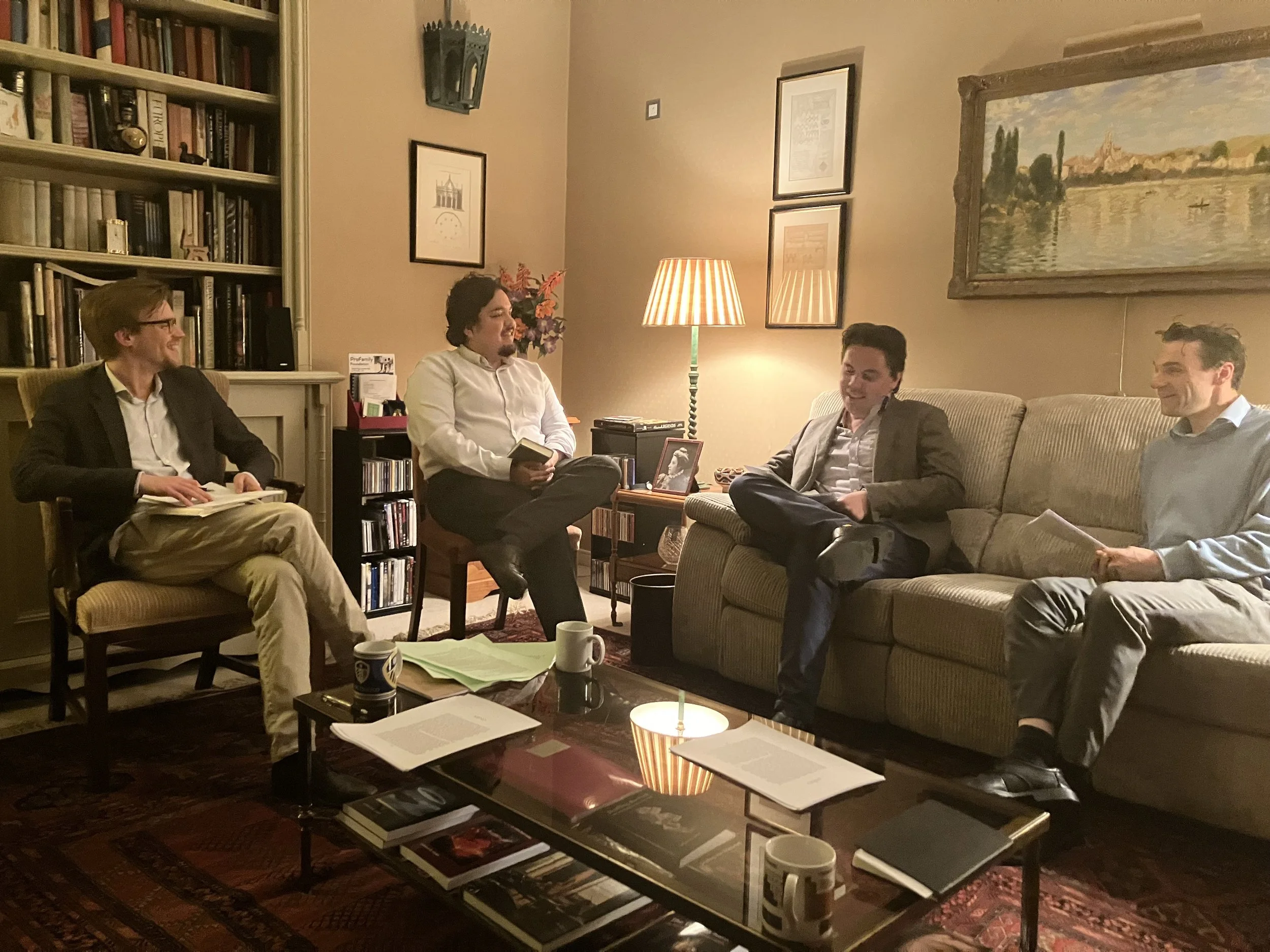
We adopt a Socratic or question-led approach which prioritises the interpretation of the text.
The professor takes the assigned text (see the course curriculum) as already read and uses the hour to lead a critical discussion of it by asking a series of thought-provoking questions. Participants are invited to offer an interpretation of the text and to defend it.
A Socratic approach aims to expose weaknesses in understanding and to facilitate deeper insights as a group.
-
Readings are assigned for each class. These are typically 30 pages in length. It is expected that you have read through the assigned text before the class. This means the class can focus on the skills necessary to refine one’s interpretation of the text.
To see the readings for this course, download the syllabus above.
-
If you are unable to commit to the full course, consider purchasing one of our subscription options, which enable you to attend a certain number of classes a month of your choice, regardless of the course.
-
We understand that work and family commitments come first. If you are unable to attend a seminar, let us know in advance via email (see ‘contact us’ below)
-
Click ‘start application’ above to begin filling out our registration form.
-
We may consider late applications. Send us an email. Many of our courses have multiple possible start dates which you might also consider.
-
You can reach us anytime via our contact page or email. We aim to respond quickly—usually within one business day.
Great Books,
Great Conversation
Become part of a community of learners in the heart of London. Be formed in the tradition of some of the greatest writers and educators. Discover a holistic view of the world that draws together art and science, history and technology, philosophy and practice.